 q4WsCvLajdd4
A field notebook is more than a diary of a trip: it is the record that allows observations to be checked, compared and interpreted after the landscape is no longer in view. Clear notes make field geology reproducible.
The science behind the subject
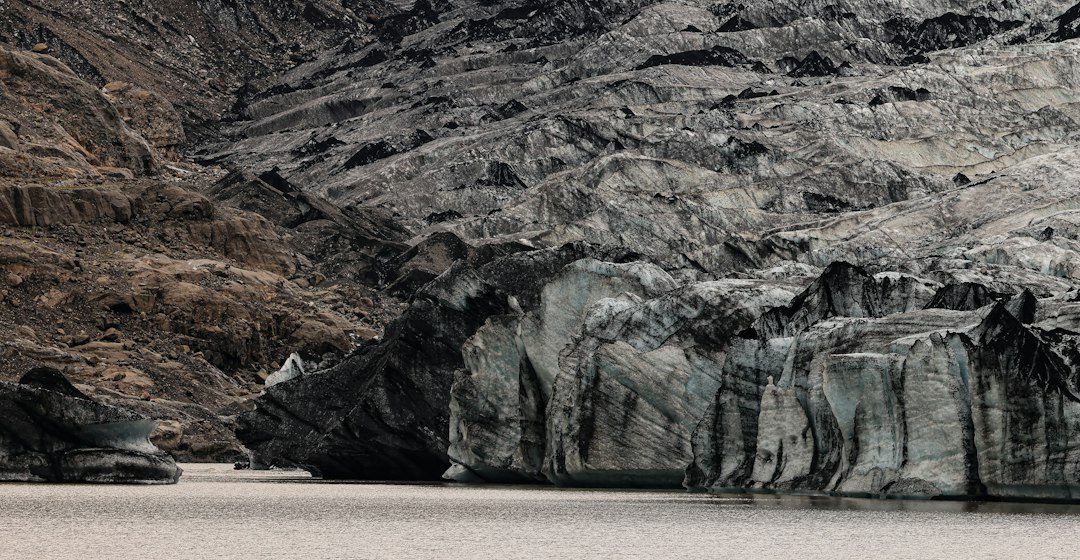
A useful entry separates direct observations from interpretations. Rock colour, grain size, bedding orientation and contact shape are observations; a proposed depositional environment or tectonic history is an interpretation that should be supported by several clues.
What the evidence can tell us
Researchers record date, location, weather, scale, sample numbers, sketches and photographs. Consistent labels connect each image or specimen to a map position, preventing uncertainty about where evidence was collected.
A practical way to observe it
Use a repeatable page layout: site code, coordinates where permitted, exposure description, sketch, measurements, photograph references and questions for later checking. Record uncertainty rather than silently replacing it with a guess.
Important limits and misconceptions
A notebook cannot compensate for unsafe access or poor sampling decisions. Follow site rules, avoid unstable ground and do not remove fossils or specimens unless collection is permitted.
Why this matters
Reliable field records improve teaching, mapping and research. They also protect the value of observations because another geologist can understand how a conclusion was reached and what evidence remains incomplete.
Putting local observations into context
A strong interpretation combines several independent clues rather than relying on one striking feature. Geological maps show how an exposure relates to the wider landscape, while mineral and sediment analysis can test explanations that are not visible to the eye. The best field notes make clear which details were measured, which were estimated and which remain uncertain.
From evidence to explanation
Geologists often compare competing explanations before settling on an interpretation. A feature may have more than one possible origin, and new measurements can change the preferred model. This is not a weakness: it is how Earth science improves, by making claims testable and revising them when additional evidence becomes available.
Questions for further study
Readers can extend this topic by comparing examples from different climates and tectonic settings. Ask whether the same process produces different landforms under different conditions, and whether a similar-looking feature could have formed by another mechanism. Regional geological surveys and university teaching resources provide useful maps and case studies.
Estimated reading time: 4–6 minutes.