 q4WsCvLajdd4
Research published in November 2026 is adding detail to one of geology’s biggest questions: how did Earth’s earliest crust form and evolve? A study of approximately 3.95-billion-year-old rocks from northern China provides evidence for early alteration, deep burial and partial melting of oceanic crust.
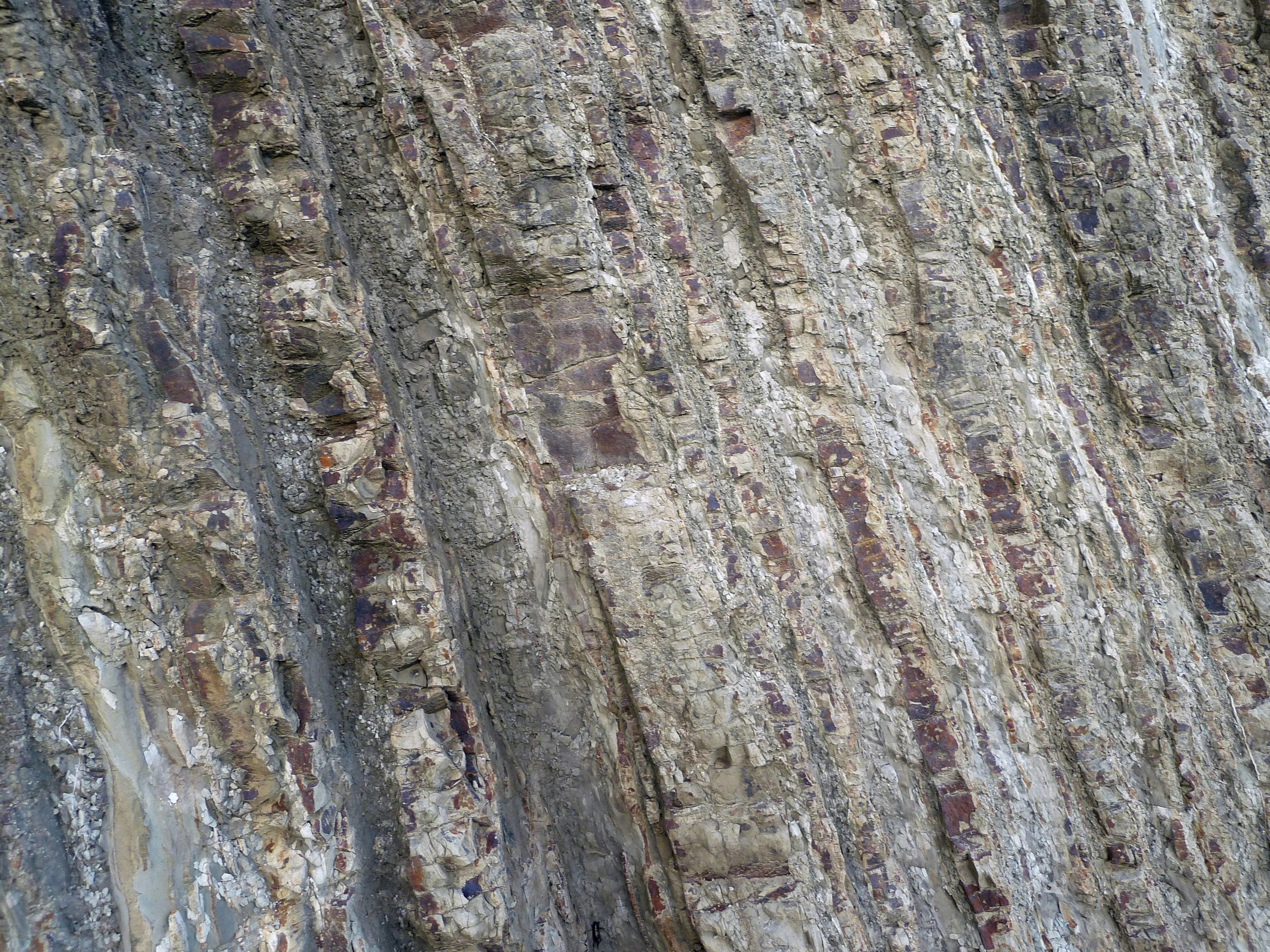
A rare record from the Hadean–Eoarchean world
Earth formed about 4.54 billion years ago. Its earliest chapter, the Hadean Eon, is difficult to reconstruct because very few rocks from that time survive. Most ancient crust has been altered, recycled into the mantle, buried, melted or eroded. The surviving minerals and rock fragments are therefore unusually valuable records of early planetary history.
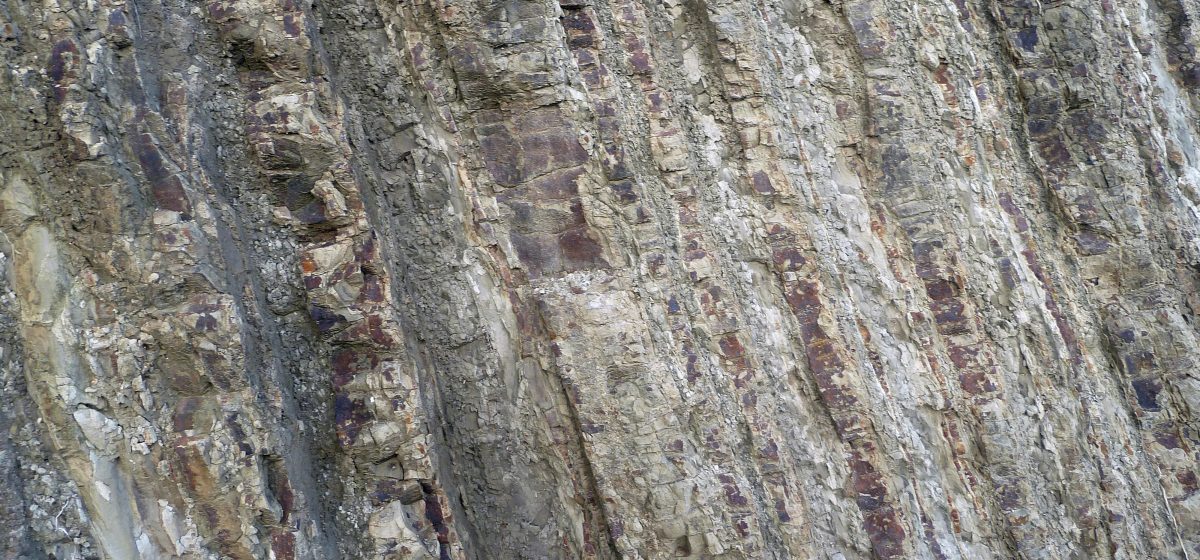
The rocks discussed in a Nature research briefing on 11 November 2026 are about 3.95 billion years old. The research article, titled “Hadean mantle depletion and 3.95-Gyr subduction implied by North China rocks”, examines trondhjemitic gneiss from eastern Hebei. The authors interpret its composition as evidence for a source related to low-temperature alteration of basalt and a mantle reservoir that had already been depleted during the Hadean.
What the researchers infer
According to the published summary, the altered basaltic source was most likely transported to mantle depths during a transient subduction event and then partially melted to produce trondhjemite. The interpretation points to substantial interaction between surface-altered oceanic crust and the deeper Earth at a very early stage in the planet’s history.
Subduction is the process in which one tectonic plate descends beneath another. In the modern Earth it is associated with deep earthquakes, volcanic arcs and recycling of water and crustal material into the mantle. Finding evidence consistent with subduction-like processes nearly four billion years ago is important, but it does not prove that early tectonics operated exactly as it does today. The ancient Earth was hotter, and the strength, thickness and behaviour of its lithosphere may have differed substantially.
Why trondhjemitic gneiss matters
Trondhjemite is a silica-rich igneous rock dominated by plagioclase and quartz, while gneiss is a metamorphic rock with a visible compositional banding or foliation. A trondhjemitic gneiss can preserve evidence of an original melt as well as later deformation and metamorphism. Interpreting its history requires combining field relationships, mineral chemistry, isotope measurements and geochronology.
Isotopes are particularly useful because different geological reservoirs can develop distinct ratios as radioactive elements decay or as materials are separated by melting and crystallisation. Those signatures can help researchers infer whether a rock formed from newly extracted mantle, recycled crust or a mixture of sources.
A changing picture of early plate processes
Geologists continue to debate when modern-style plate tectonics began. Some evidence points to early recycling and deformation, while other records may be consistent with more localised or episodic tectonic regimes. The new study contributes another piece of evidence to that discussion rather than settling it on its own.
One reason the question is difficult is that ancient rocks are rarely pristine. They may have experienced several episodes of heating, fluid movement and deformation. Scientists must test whether a measured chemical signal reflects the rock’s original formation or a later event that modified it.
Why this discovery matters beyond one region
Understanding early crust formation helps explain how continents developed, how the mantle evolved and how the surface environment changed over geological time. It also provides context for the emergence of long-lived oceans and the chemical conditions that eventually supported life.
The most important takeaway is methodological: Earth’s oldest history is reconstructed from incomplete evidence. Every well-dated mineral, carefully mapped contact and geochemical measurement can narrow the range of possible explanations. The northern China rocks offer a valuable new test of models for how the young planet recycled and transformed its earliest crust.
Sources: Nature — Geology, 11 November 2026; research article: Nature.