 q4WsCvLajdd4
A Geological Society of America journal listing for October 2026 featured research discussion about large domal stromatolites in a 3.47-billion-year-old Paleoarchean ocean setting. Stromatolites are layered structures that can preserve evidence of microbial activity and sediment trapping.
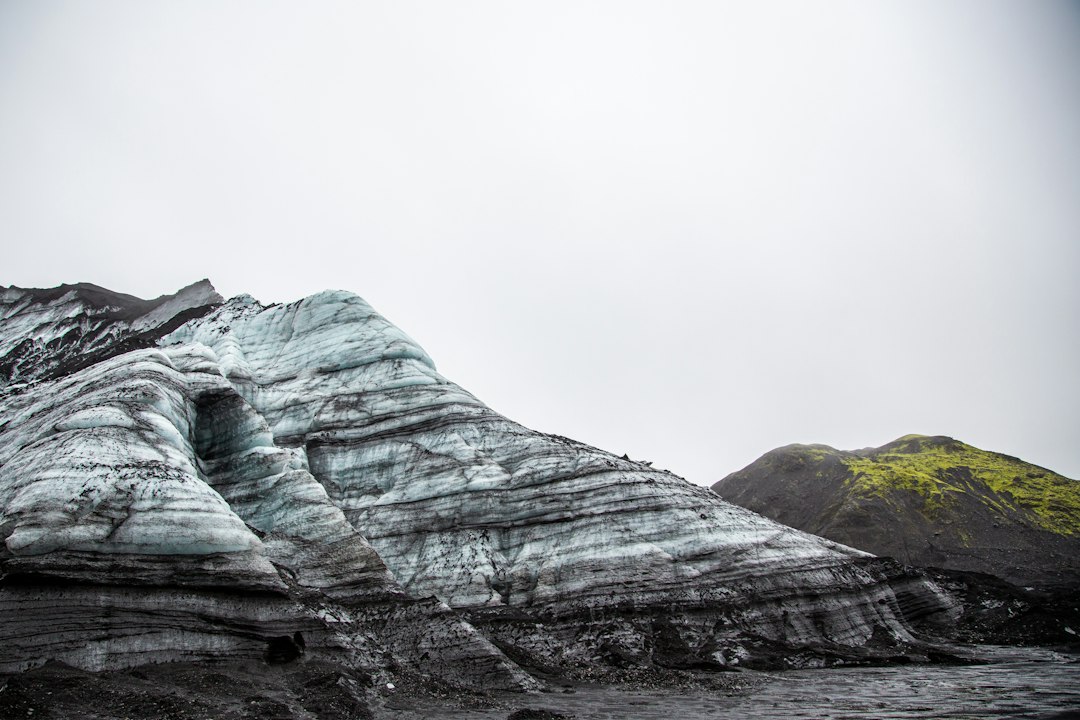
The science behind the subject
Stromatolites may form when microbial communities bind or trap sediment and influence mineral precipitation. Their shape and internal lamination can record interactions among water movement, sediment supply and microbial mats, although non-biological processes can create similar structures.
What the evidence can tell us
Geologists examine stromatolite geometry, lamination, associated sedimentary facies and geochemical signatures. Microscopy and comparison with modern analogues help assess possible biological influence and the conditions in which the structures formed.
A practical way to observe it
A field description should record the size and shape of domes, their orientation within bedding and the sediment surrounding them. Photographs and measured sketches are more useful when they include scale and stratigraphic context.
Important limits and misconceptions
A stromatolite-like shape is not automatic proof of life. Interpretation relies on multiple lines of evidence, especially where rocks have been altered by burial, metamorphism or later fluids.
Why this matters
Ancient stromatolites help reconstruct early marine environments and the development of microbial ecosystems. They are valuable because they connect sedimentary geology with the earliest chapters of life’s history.
Putting observations into context
A sound geological interpretation combines field relationships, maps and analytical evidence. A specimen provides information about texture and minerals, while a regional map shows how an exposure relates to surrounding units. Laboratory measurements can test ideas that are not visible to the eye, and clear notes make the reasoning easier for another reader to review.
From evidence to explanation
Geologists often compare more than one possible explanation before choosing an interpretation. A familiar shape or colour can have several origins, and new measurements may change the preferred model. This is how Earth science improves: claims are made testable, uncertainty is described and interpretations are revised when additional evidence becomes available.
Questions for further study
Compare examples from different climates, rock types and tectonic settings. Ask whether the same process produces different landforms under different conditions, and whether a similar-looking feature could have formed by another mechanism. National geological surveys and university teaching resources provide useful maps, datasets and case studies for further reading.
Source for further reading: https://www.geosocietynews.org/articles?type=journal.
Estimated reading time: 4–6 minutes.