 q4WsCvLajdd4
Research reported in Nature Communications on 24 October 2026 examined links between sea-level change and biodiversity dynamics during the Cambrian SPICE event. The study adds a more detailed timeline to questions about marine chemistry and ecological turnover.
The science behind the subject
Using astrochronology, the researchers estimated that relative sea-level change preceded benthic community turnover by about 70,000 years under their age model. The result supports a possible connection among orbital forcing, sea-level variation, marine oxygen conditions and biodiversity change.
What the evidence can tell us
Astrochronology uses repeating climate-sensitive sediment patterns that can be linked to known astronomical cycles. Researchers combine those patterns with fossil zones, geochemical signals and stratigraphic relationships to build a more precise chronology.
A practical way to observe it
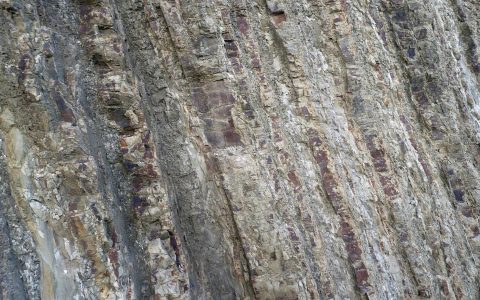
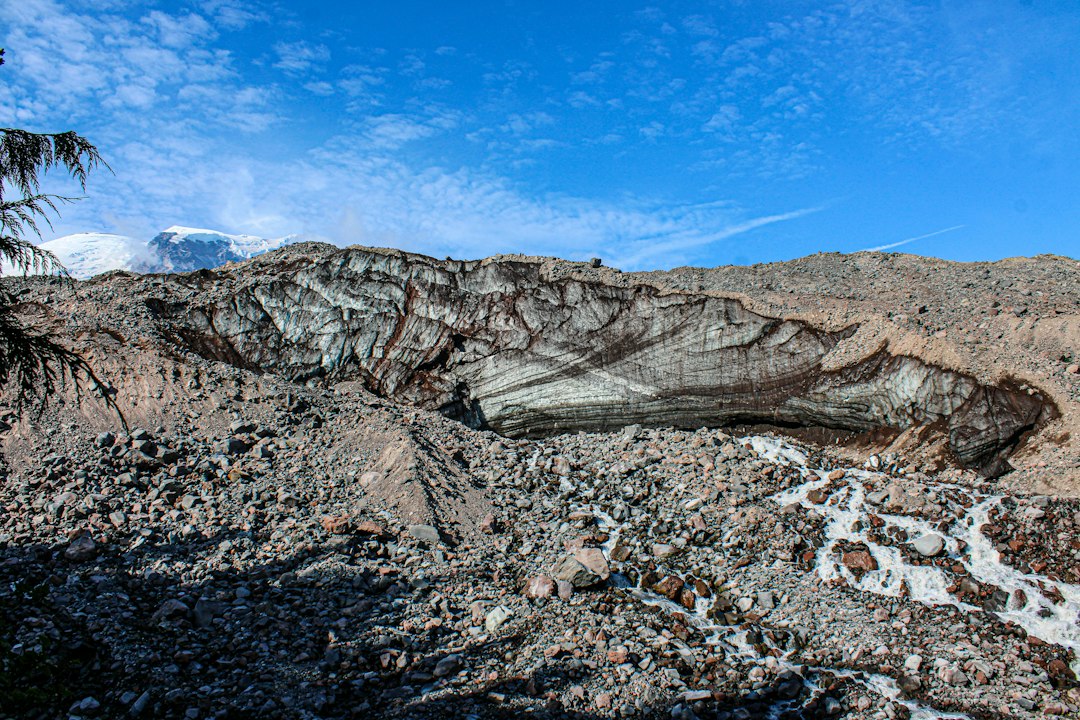
A geological section from this interval can be studied for changes in fossils, sediment type and chemical proxies. The order of changes matters: a proposed cause should occur before or alongside the response it is meant to explain.
Important limits and misconceptions
The estimated lead time depends on the age model and the quality of the preserved record. Correlation does not by itself prove a single cause, and regional marine environments may have responded differently.
Why this matters
The Cambrian event offers a case study in how climate, ocean chemistry and ecosystems interact. More precise timelines help geologists test mechanisms rather than relying on broad temporal coincidence.
Putting observations into context
A sound geological interpretation combines field relationships, maps and analytical evidence. A specimen provides information about texture and minerals, while a regional map shows how an exposure relates to surrounding units. Laboratory measurements can test ideas that are not visible to the eye, and clear notes make the reasoning easier for another reader to review.
From evidence to explanation
Geologists often compare more than one possible explanation before choosing an interpretation. A familiar shape or colour can have several origins, and new measurements may change the preferred model. This is how Earth science improves: claims are made testable, uncertainty is described and interpretations are revised when additional evidence becomes available.
Questions for further study
Compare examples from different climates, rock types and tectonic settings. Ask whether the same process produces different landforms under different conditions, and whether a similar-looking feature could have formed by another mechanism. National geological surveys and university teaching resources provide useful maps, datasets and case studies for further reading.
Source for further reading: https://www.nature.com/subjects/geology/nature.
Estimated reading time: 4–6 minutes.