 q4WsCvLajdd4
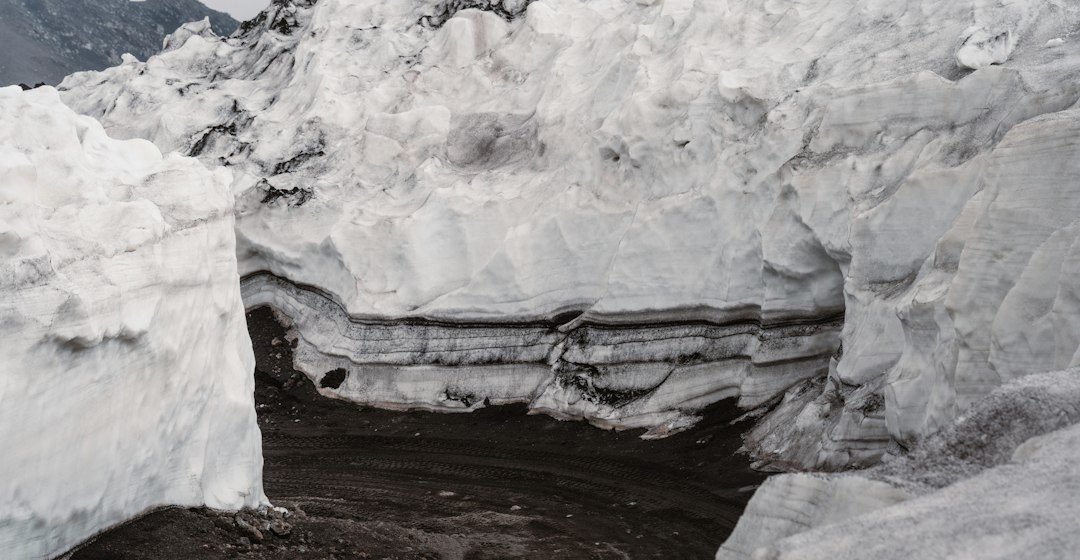
Limestone and other carbonate rocks store a vast amount of carbon in Earth’s crust. They form through biological production, chemical precipitation and accumulation of carbonate-rich sediment, then may be buried, uplifted, dissolved or transformed.
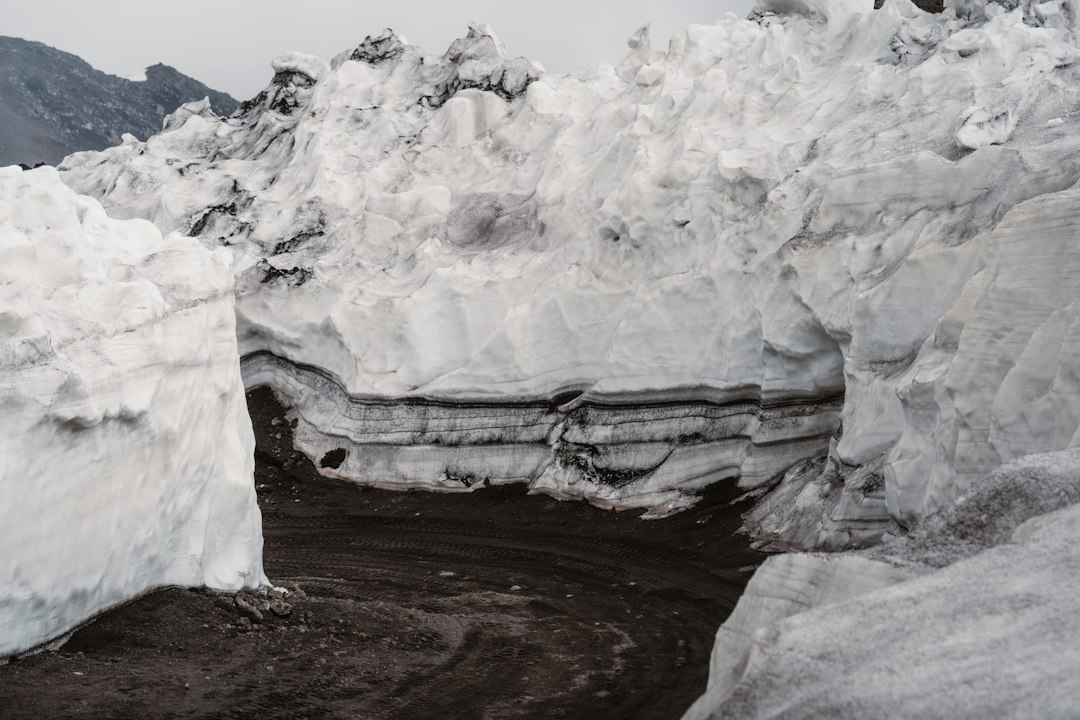
The science behind the subject
Carbonate minerals such as calcite and aragonite contain carbon and oxygen. Their formation is influenced by water chemistry, temperature, biological activity and sediment supply. Dissolution can return dissolved carbon to water, while burial stores carbonate in sedimentary basins.
What the evidence can tell us
Geologists identify carbonate rocks through texture, fossils, mineral composition and field relationships. Thin sections reveal grains and cement, while geochemical measurements help distinguish depositional settings and later alteration.
A practical way to observe it
Look for fossil fragments, bedding, stylolites and changes in weathering style. A hand specimen may be insufficient for confident identification, so descriptions should be checked against laboratory evidence where available.
Important limits and misconceptions
Carbonate rocks are not a simple one-way carbon sink. Their long-term role depends on weathering, burial, metamorphism and tectonic recycling, while short-term ocean chemistry differs from the geological carbon cycle.
Why this matters
Carbonate geology connects reefs, shallow seas, groundwater systems and climate history. These rocks preserve evidence of ancient environments and help explain carbon movement between surface reservoirs and the deep Earth.
Putting local observations into context
A strong interpretation combines several independent clues rather than relying on one striking feature. Geological maps show how an exposure relates to the wider landscape, while mineral and sediment analysis can test explanations that are not visible to the eye. The best field notes make clear which details were measured, which were estimated and which remain uncertain.
From evidence to explanation
Geologists often compare competing explanations before settling on an interpretation. A feature may have more than one possible origin, and new measurements can change the preferred model. This is not a weakness: it is how Earth science improves, by making claims testable and revising them when additional evidence becomes available.
Questions for further study
Readers can extend this topic by comparing examples from different climates and tectonic settings. Ask whether the same process produces different landforms under different conditions, and whether a similar-looking feature could have formed by another mechanism. Regional geological surveys and university teaching resources provide useful maps and case studies.
Estimated reading time: 4–6 minutes.