 q4WsCvLajdd4
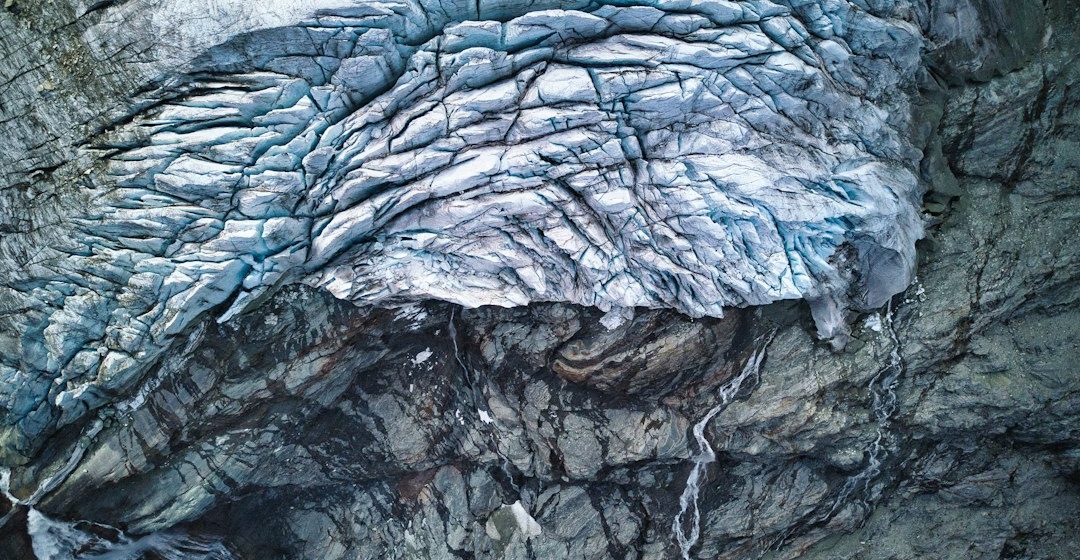
Igneous textures preserve clues about how magma or lava cooled. Crystal size, shape and arrangement can reveal whether molten material solidified slowly underground, rapidly at the surface or through several stages of cooling.
The science behind the subject
Slow cooling commonly allows larger crystals to grow, while rapid cooling produces fine-grained textures or volcanic glass. Porphyritic rocks contain larger crystals set in a finer matrix, suggesting that crystals began growing before the remaining melt cooled more quickly.
What the evidence can tell us
Petrographers examine hand specimens and thin sections to identify mineral proportions, crystal boundaries and textures. Field relationships with dykes, sills and lava flows help place the sample in its original setting.
A practical way to observe it
Describe grain size and crystal relationships before naming the rock. Compare the texture with the shape of the igneous body, and note whether weathering has obscured the original surface.
Important limits and misconceptions
Texture alone rarely gives a complete cooling history. Magma composition, water content, pressure and repeated movement can influence crystal growth, so multiple observations are needed.
Why this matters
Igneous textures connect visible mineral grains with processes deep underground and at volcanoes. They help reconstruct magma movement and the formation of continental and oceanic crust.
Putting observations into context
A sound geological interpretation combines field relationships, maps and analytical evidence. A specimen provides information about texture and minerals, while a regional map shows how an exposure relates to surrounding units. Laboratory measurements can test ideas that are not visible to the eye, and clear notes make the reasoning easier for another reader to review.
From evidence to explanation
Geologists often compare more than one possible explanation before choosing an interpretation. A familiar shape or colour can have several origins, and new measurements may change the preferred model. This is how Earth science improves: claims are made testable, uncertainty is described and interpretations are revised when additional evidence becomes available.
Questions for further study
Compare examples from different climates, rock types and tectonic settings. Ask whether the same process produces different landforms under different conditions, and whether a similar-looking feature could have formed by another mechanism. National geological surveys and university teaching resources provide useful maps, datasets and case studies for further reading.
Estimated reading time: 4–6 minutes.