Relative Dating: Reconstructing the Order of Geological Events
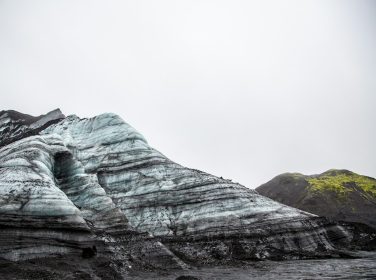
Relative dating establishes the sequence of geological events without assigning an exact numerical age. It is a foundational skill because rocks often pres
The rock cycle describes the transformations that connect igneous, sedimentary and metamorphic rocks. It is not a fixed sequence: any rock can be uplifted,
Minerals are identified through a combination of physical and chemical properties rather than colour alone. A consistent method helps students distinguish
A caldera is a broad volcanic depression formed when the ground collapses or subsides after a large volume of magma is withdrawn from a shallow reservoir.
A river delta forms where a river enters a standing body of water and deposits sediment faster than waves, tides and currents can remove it. Deltas ar
Alluvial fans are fan-shaped sediment deposits that form where streams emerge from confined valleys onto flatter terrain. They are common in arid and
Karst landscapes develop where soluble rocks, especially limestone, are dissolved by water. Sinkholes, disappearing streams, springs and caves are sur
Columnar basalt is a striking volcanic rock formation in which cooling lava is divided into long, polygonal columns. The geometry is natural: it devel
A rock sample without reliable location and context loses much of its scientific value. Provenance links a specimen to the outcrop, geological unit an
Good field geology begins with planning and respect for the site. Responsible observation protects people, geological features and the evidence that f