Volcanic Calderas: How Large Depressions Form After Eruptions
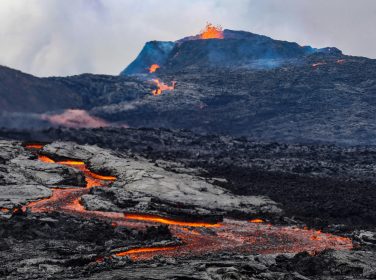
A caldera is a broad volcanic depression formed when the ground collapses or subsides after a large volume of magma is withdrawn from a shallow reservoir.
A river delta forms where a river enters a standing body of water and deposits sediment faster than waves, tides and currents can remove it. Deltas ar
Alluvial fans are fan-shaped sediment deposits that form where streams emerge from confined valleys onto flatter terrain. They are common in arid and
Karst landscapes develop where soluble rocks, especially limestone, are dissolved by water. Sinkholes, disappearing streams, springs and caves are sur
Columnar basalt is a striking volcanic rock formation in which cooling lava is divided into long, polygonal columns. The geometry is natural: it devel
A rock sample without reliable location and context loses much of its scientific value. Provenance links a specimen to the outcrop, geological unit an
Good field geology begins with planning and respect for the site. Responsible observation protects people, geological features and the evidence that f
Coastal fieldwork brings together sedimentology, geomorphology and ocean processes. Cliffs, beaches, dunes and tidal platforms preserve evidence of ch
A river transect is a structured way to observe how channel form and sediment change from one bank to the other. It links visible landforms with the m
Fossils are most informative when their geological context is recorded. The position of a fossil within a bed, its relationship to other fossils and t