Cambrian Sea-Level Change and Biodiversity: A New Timescale
Research reported in Nature Communications on 24 October 2026 examined links between sea-level change and biodiversity dynamics during the Cambrian SPICE e
A 20 October 2026 Nature news report described a large fossil-data analysis that may change how scientists interpret some of Earth's major extinction inter
Metamorphism changes the mineralogy and texture of existing rock through heat, pressure and chemically active fluids without requiring complete melting. Th
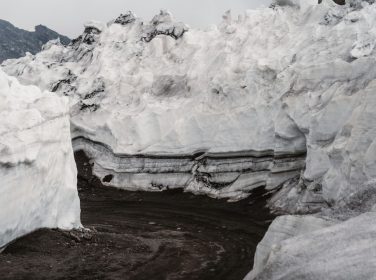
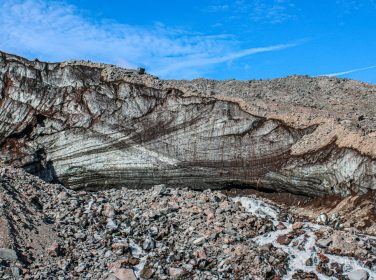
Sedimentary structures form as particles are transported, deposited and modified. Bedding, cross-bedding, ripple marks, graded layers and mud cracks can pr
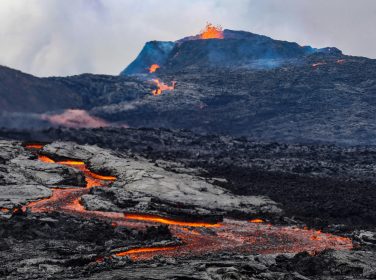
Igneous textures preserve clues about how magma or lava cooled. Crystal size, shape and arrangement can reveal whether molten material solidified slowly un
Earth's lithosphere is divided into moving plates that interact at divergent, convergent and transform boundaries. These settings help explain the global d
Radiometric dating estimates the age of suitable minerals by measuring the proportions of radioactive parent isotopes and their decay products. It provides
Relative dating establishes the sequence of geological events without assigning an exact numerical age. It is a foundational skill because rocks often pres
The rock cycle describes the transformations that connect igneous, sedimentary and metamorphic rocks. It is not a fixed sequence: any rock can be uplifted,
Minerals are identified through a combination of physical and chemical properties rather than colour alone. A consistent method helps students distinguish